Taboquinhas
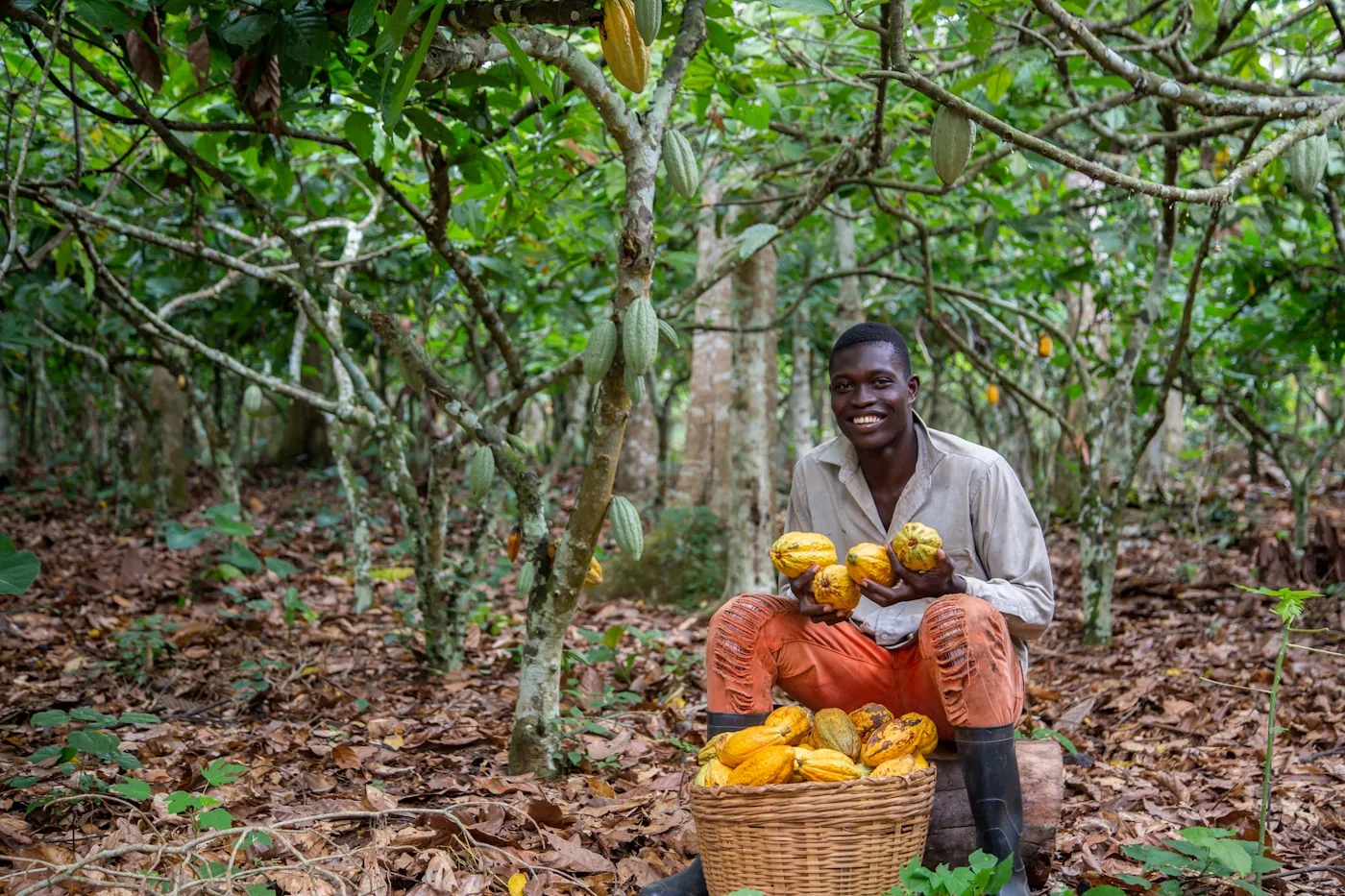
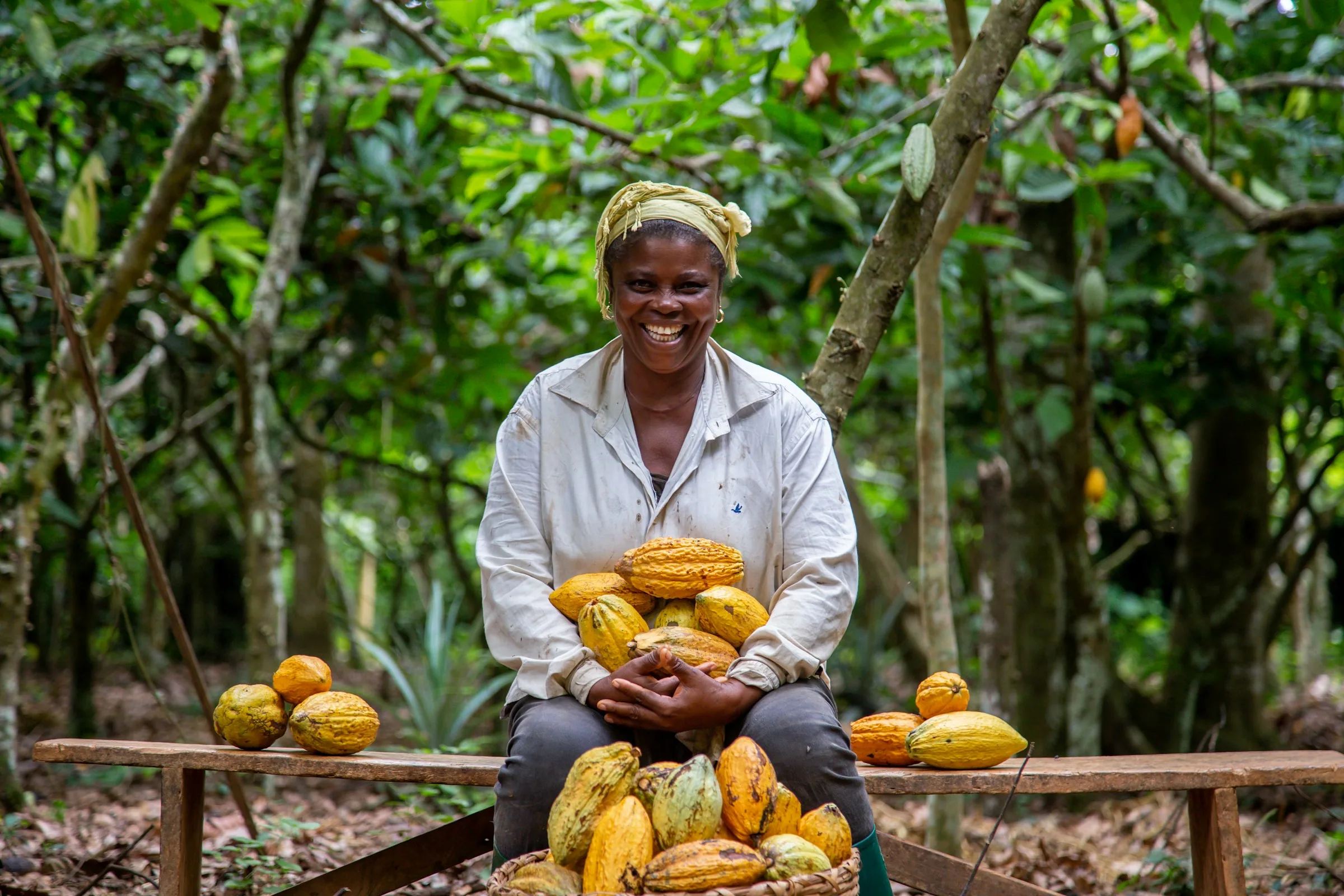
The cacao farmers
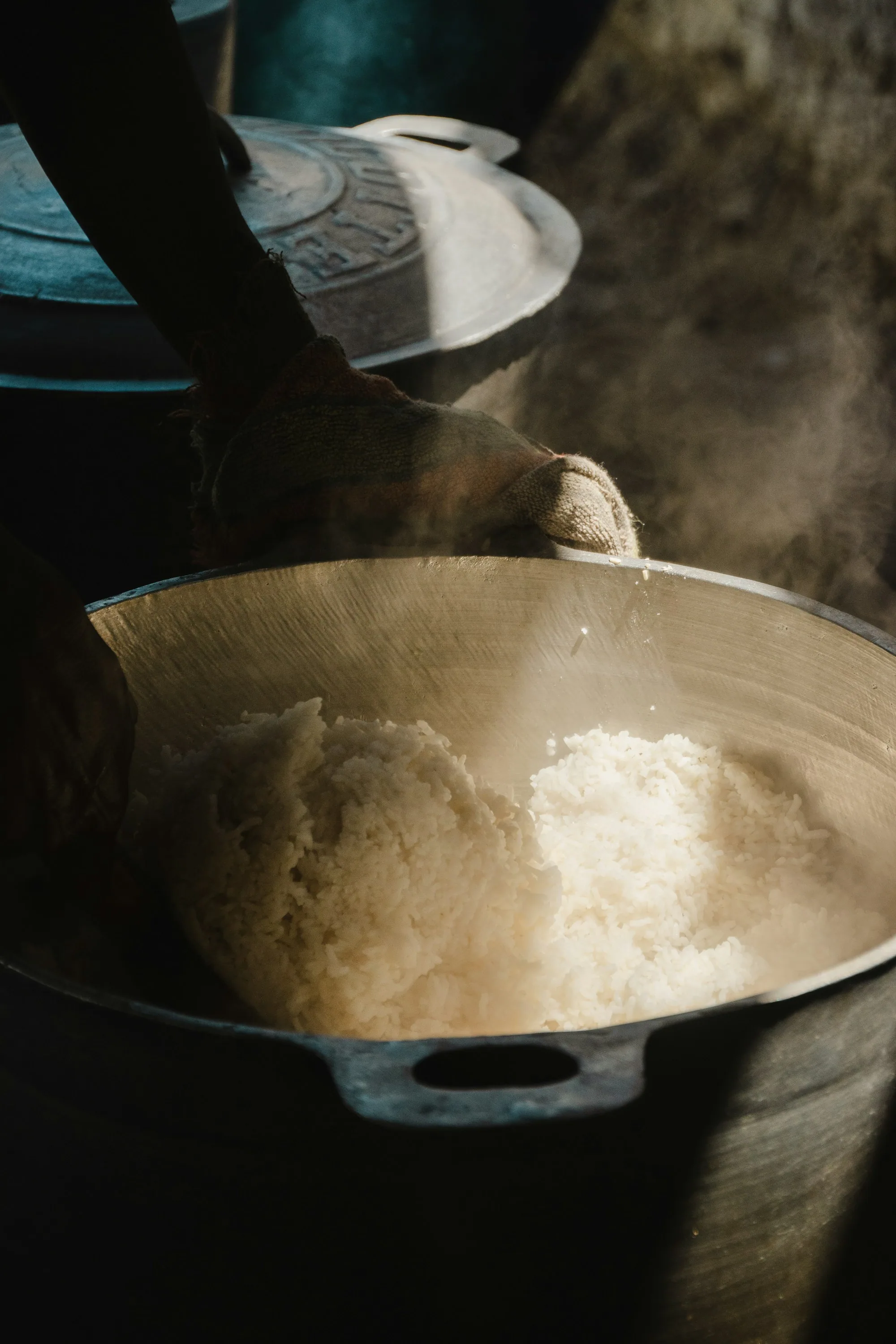
Families who survived the collapse of Brazil’s cacao empire and still ferment, dry and roast their beans the way their grandparents did. On day two, they put the harvest in your hands.
Experience · Bahia · 7 days
Ilhéus to Salvador, with the people who make the coast.
Harvest cacao and fire it into chocolate. Paddle a mangrove maze to oysters roasted on the sand. Sleep alone on a twenty-kilometre beach. Learn capoeira by firelight. Then let Salvador finish the story.
Raízes means roots
South of Salvador runs a green, half-forgotten shore where Brazil keeps its roots: the Cacao Coast, sliding into the Dendê Coast. For seven days you travel it slowly, from Jorge Amado’s Ilhéus to the old capital, and every single day is built around people, not sights. Farmers, fishers, quilombola artisans, capoeira teachers.
You will not watch this coast through a window. You will harvest it, paddle it, cook it, taste it and, at least once, dance it. And because every departure is private, the route bends to you, never the other way around.
7
Days on one astonishing coast
20 km
Of beach you share with almost no one
6
Ways you travel: car, boat, canoe, kayak, 4x4, tractor
0
Tour buses, buffets or scripts
Every pin is a day. Click one to read it.
Quem faz a Bahia
No costumed folklore, no staged villages. These are working people who open their days to a handful of travellers, and they are the reason this trip exists.
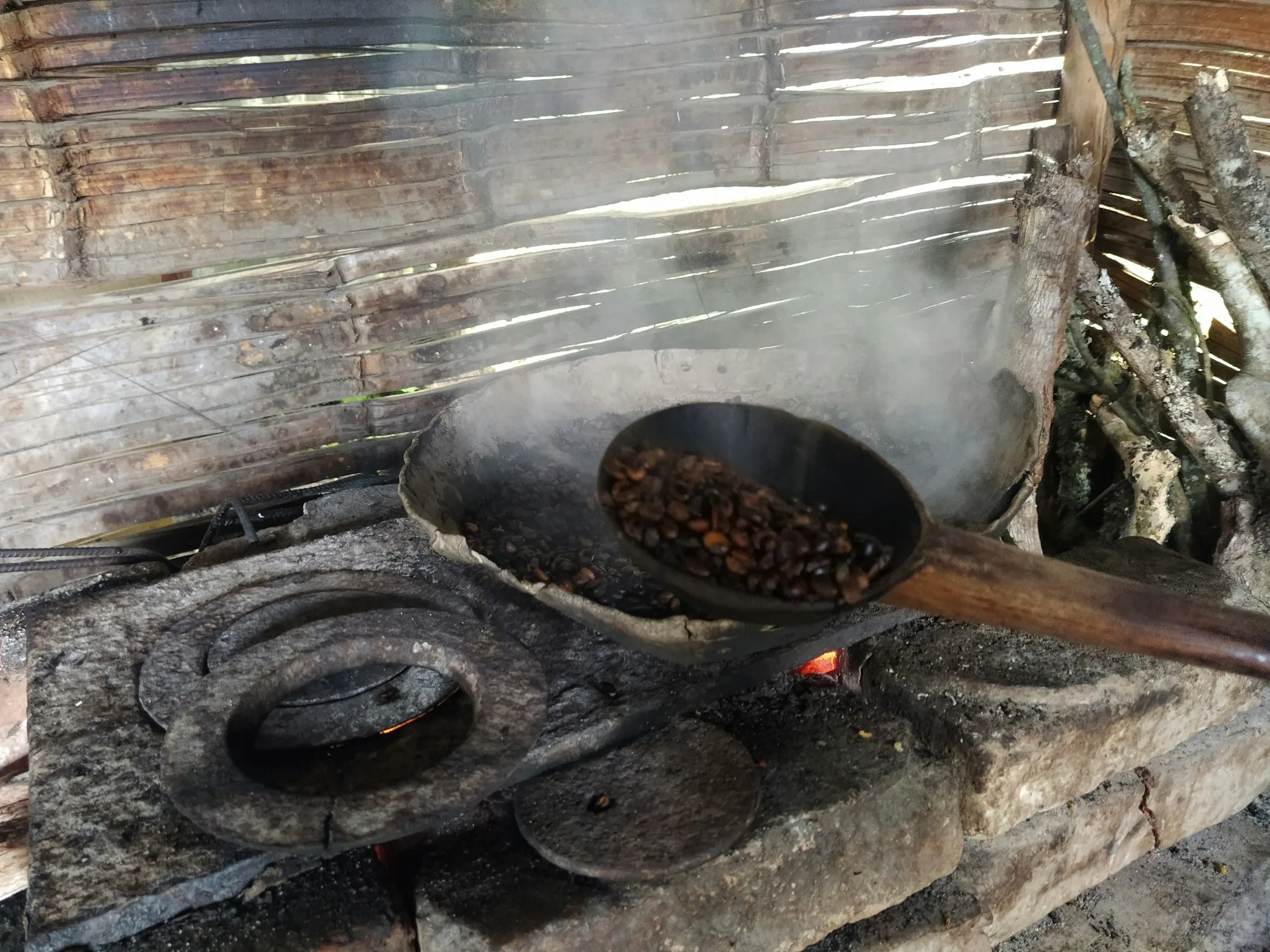
Taboquinhas
Families who survived the collapse of Brazil’s cacao empire and still ferment, dry and roast their beans the way their grandparents did. On day two, they put the harvest in your hands.
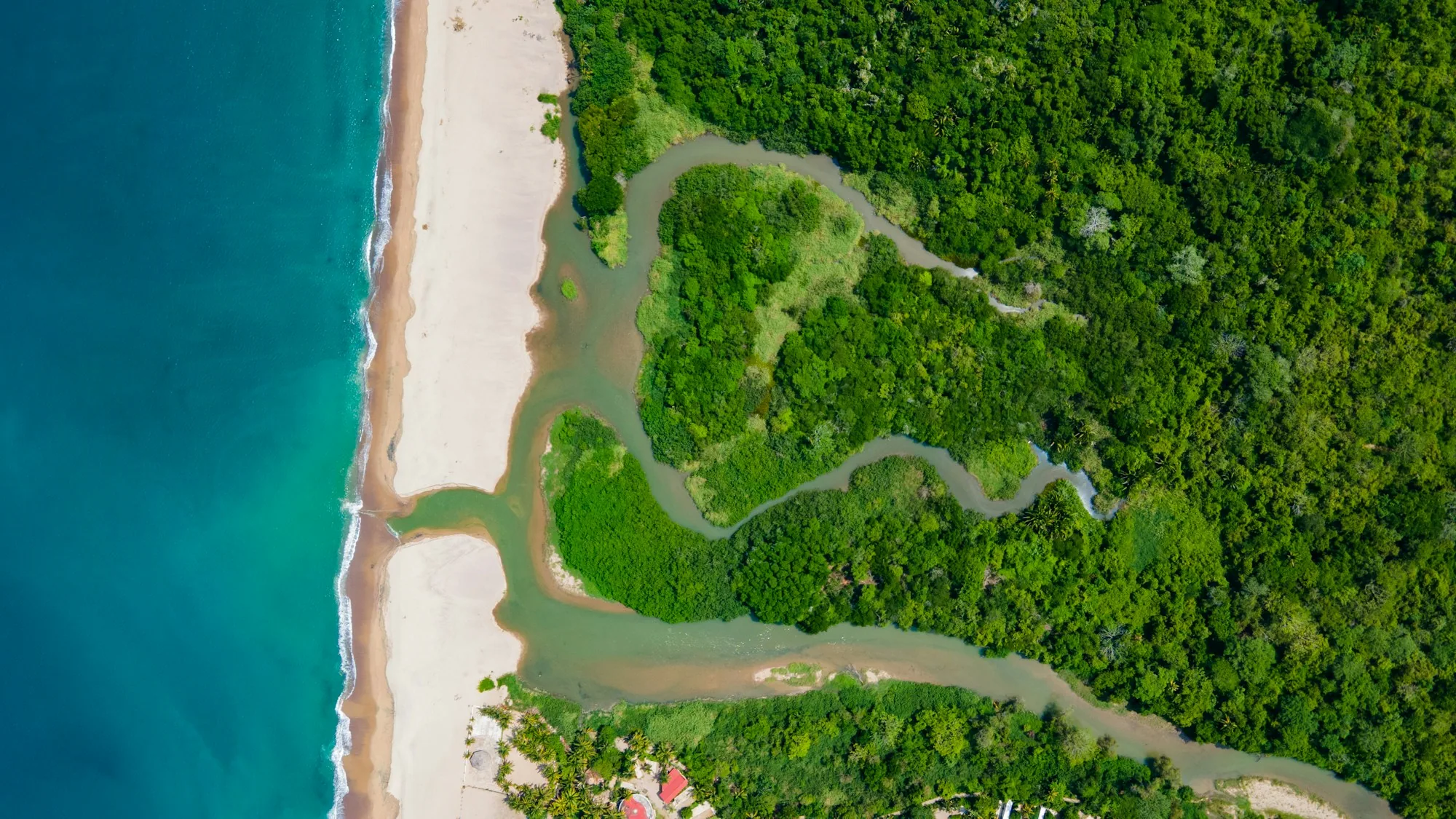
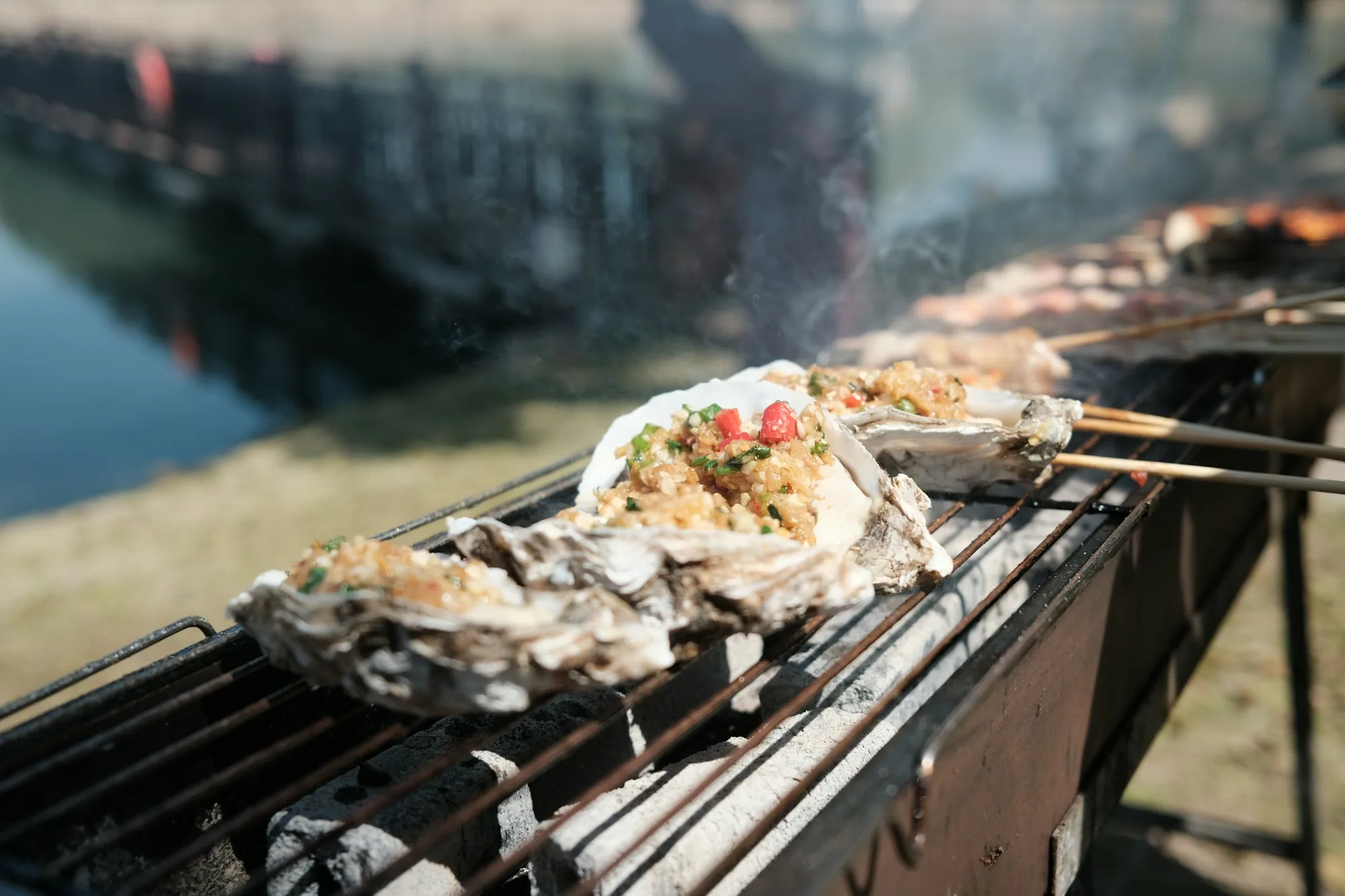
Camamu Bay
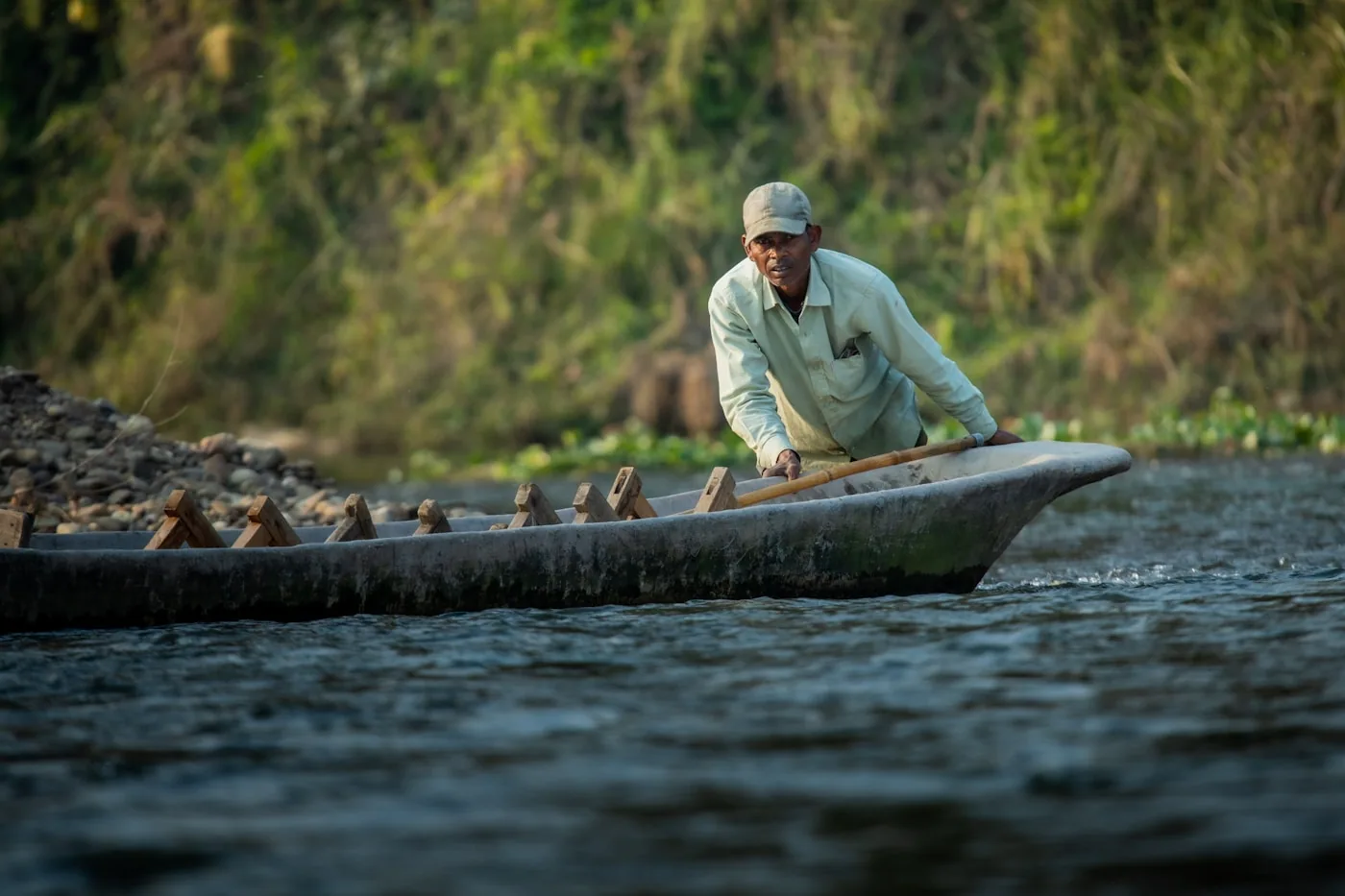
Fishermen from a village with no road in, who read the tides the way you read a timetable. They pull oysters straight from the mangrove roots and roast them for you over a driftwood fire.
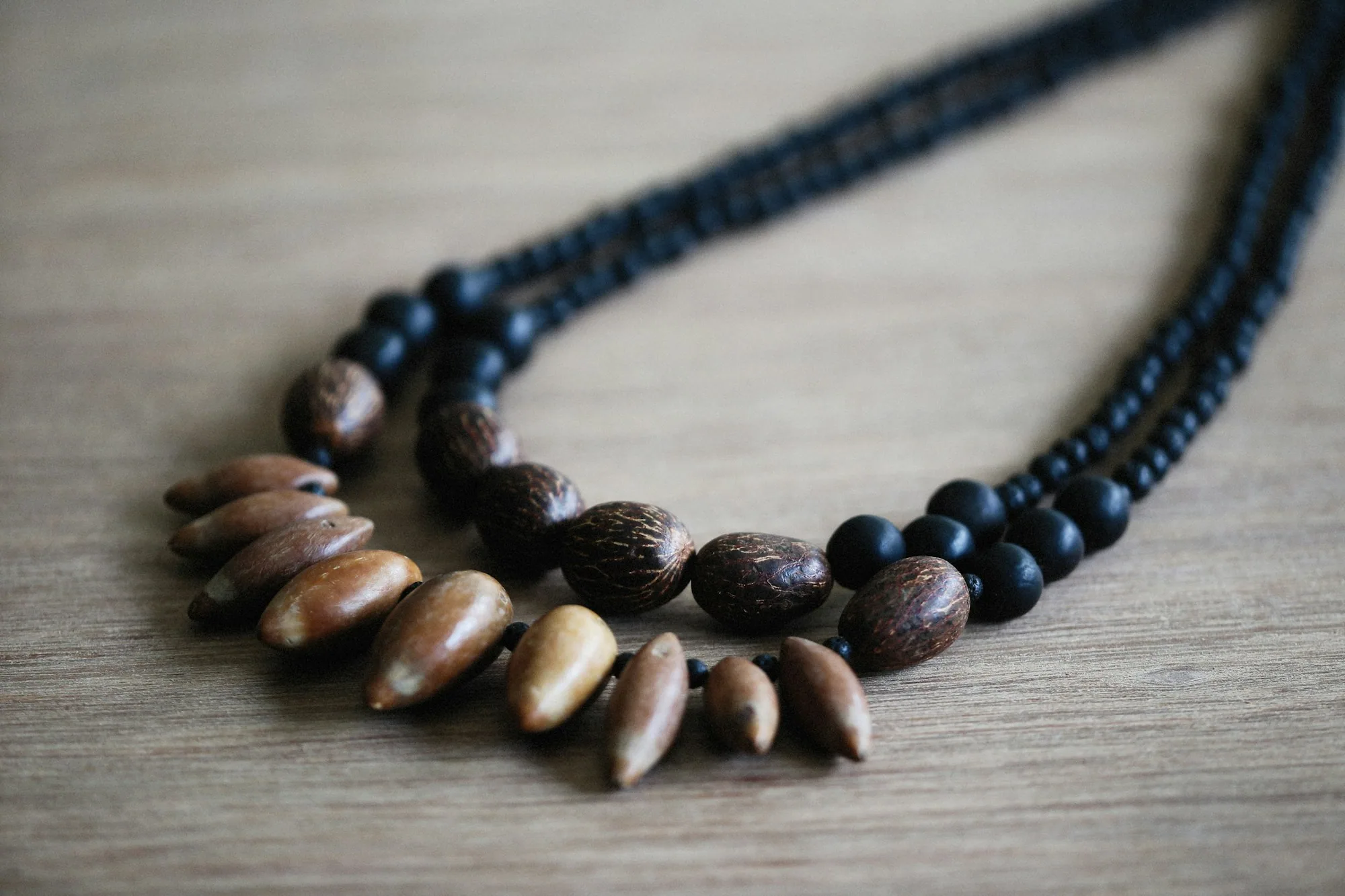
Jatimane
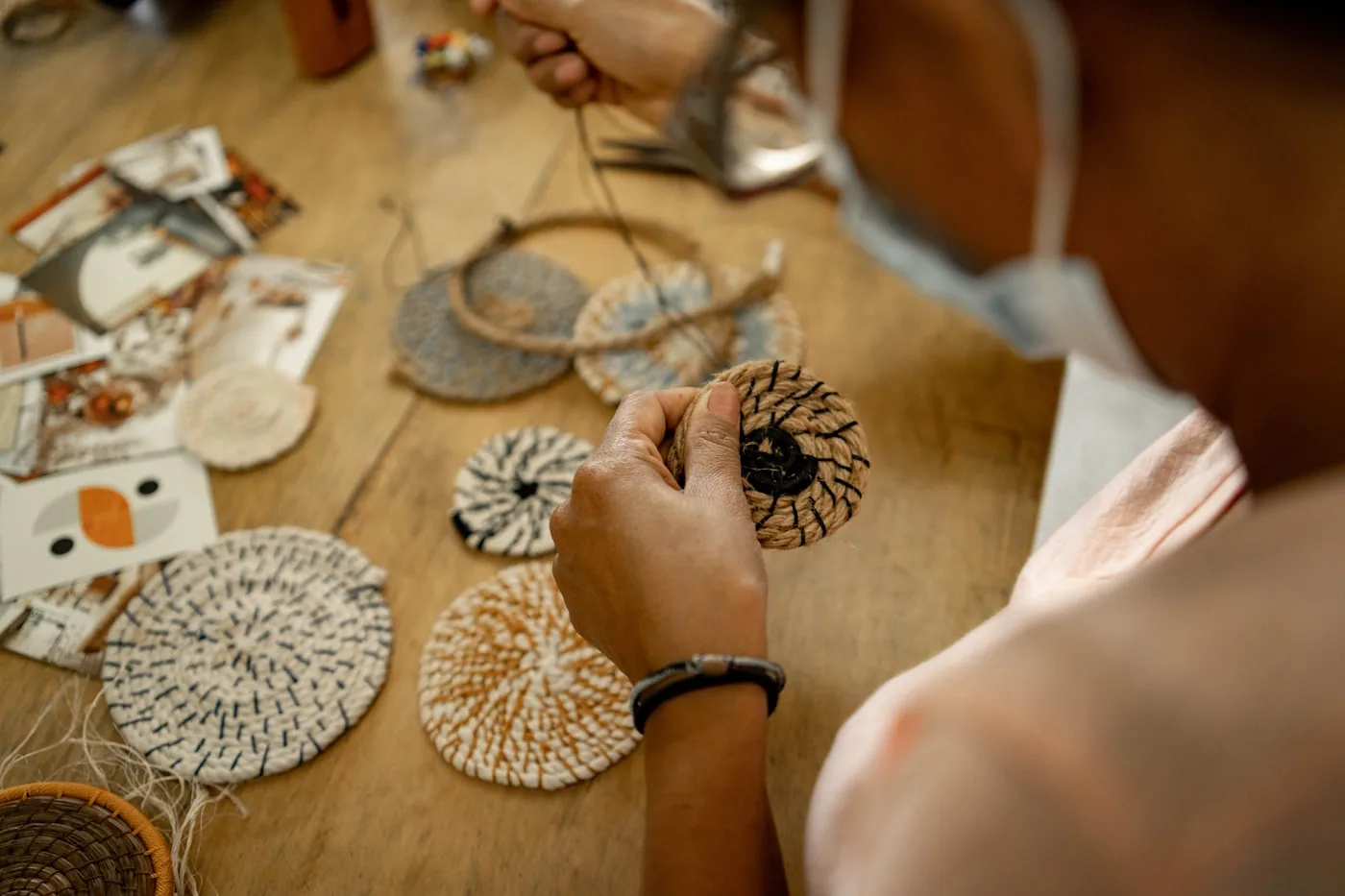
In a community founded by people who freed themselves, artisans turn the nut of the piaçava palm into jewellery. You will watch a seed become something you can carry home.
Nilo Peçanha
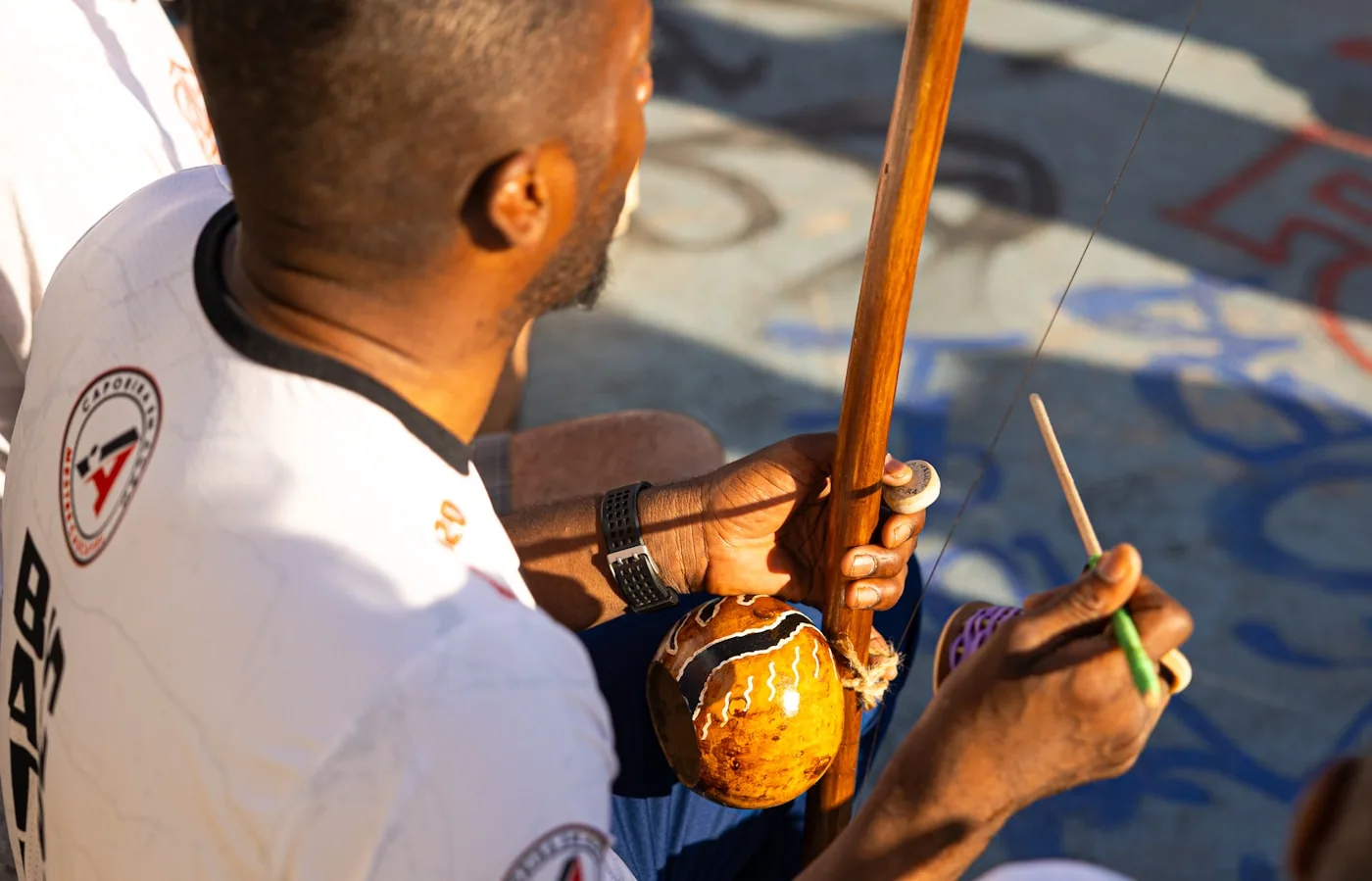
On an off-grid organic farm, the game that slavery could not stamp out is passed on by firelight. Your first ginga will be clumsy. Nobody will mind, and you will not forget it.
Ilhéus → Salvador
A sample rhythm, not a timetable. Every departure is private, and we reshape the days around you.
1 Dia 1 · Ilhéus
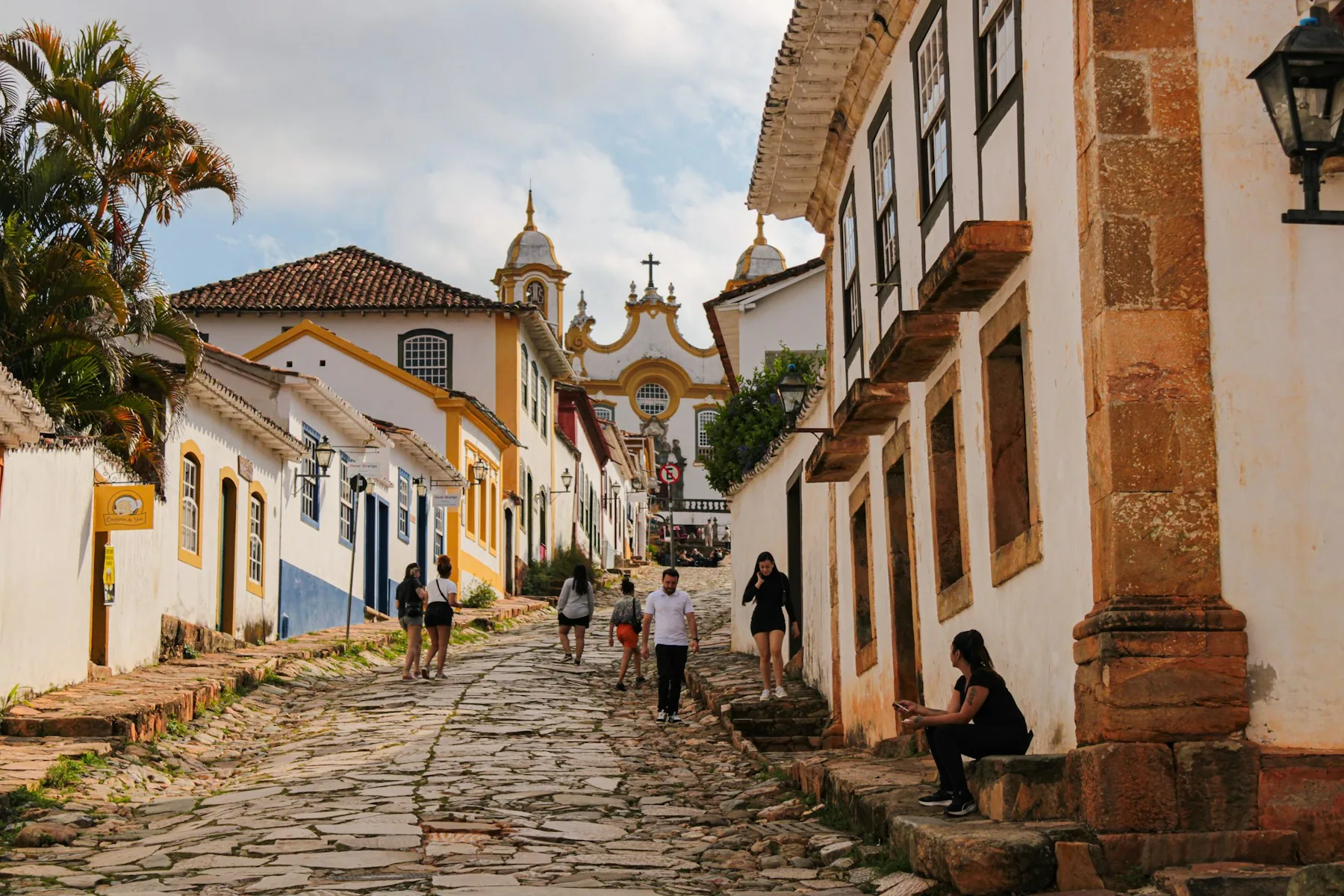
Brazil’s greatest storyteller, Jorge Amado, set his novels here, in a port town that cacao made rich and reckless. You land, drop your bags, and walk straight into his pages: the writer’s own house, the pastel palaces of the cacao barons, the São Sebastião cathedral, and the Bataclan, the infamous cabaret his characters could never stay away from.
Late afternoon, you trade the city for the interior. The road south climbs to the finest viewpoint on the whole coast, where you stop as the light goes gold, then drops you in Taboquinhas, a cacao village on the banks of the broad Rio de Contas. Dinner is by the river. The week has begun.
Overnight · A village pousada above the Rio de Contas
2 Dia 2 · Taboquinhas
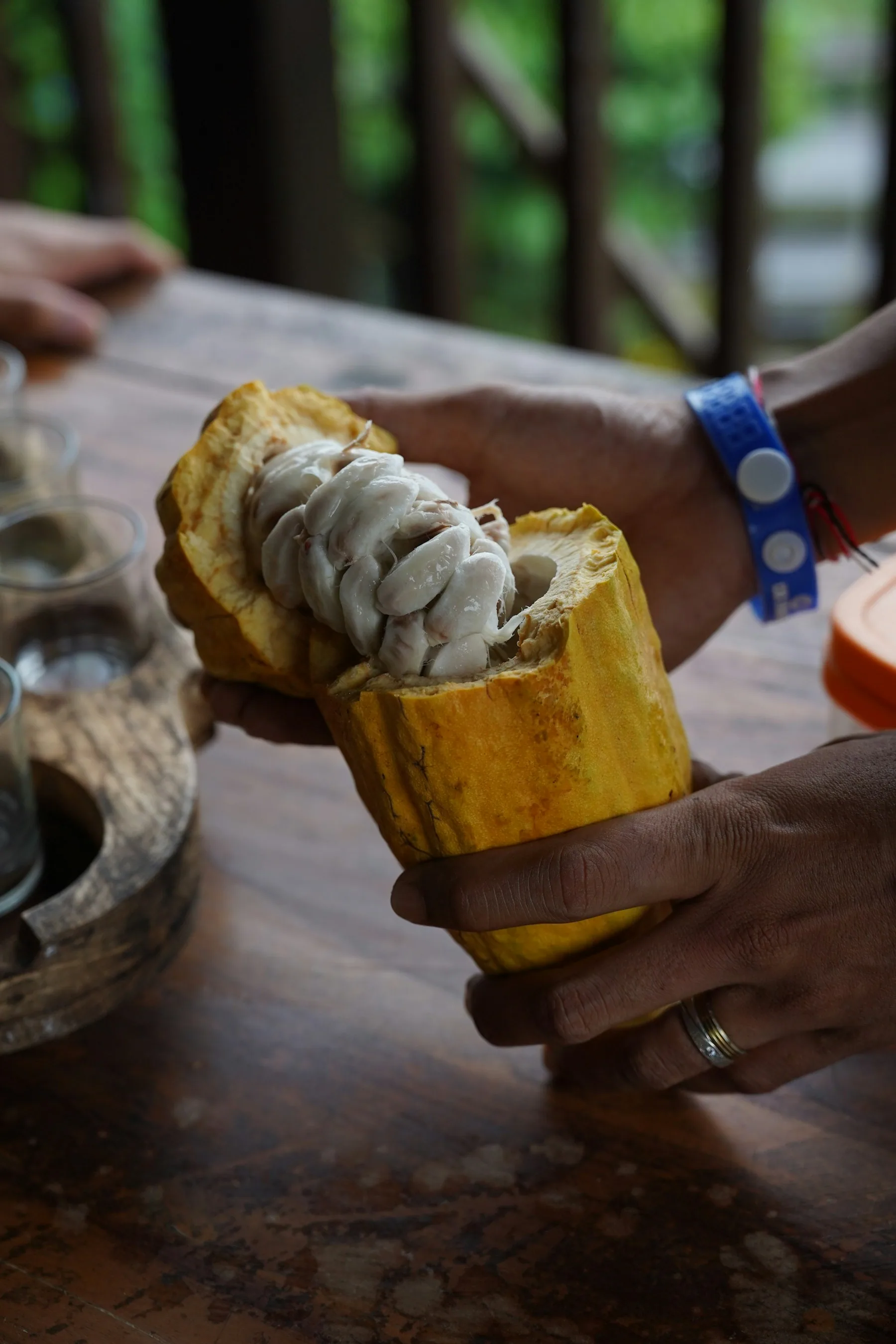
Morning on a smallholder farm. You split ripe pods with the family that grew them, suck the sweet white pulp from the beans, and drink cacao honey pressed straight from the fruit, a taste that never survives the journey to a supermarket. Then the fire is lit: you roast, peel, pound and cook the beans the old way until what is in the pan is, unmistakably, chocolate. You made it.
After lunch overlooking the river, you take to the water. Two easy kilometres by inflatable boat or kayak down the Rio de Contas, a short walk up a side creek, and the Noré waterfall appears, ringed by cacao trees and made for swimming. The brave can swap the paddle for a raft: this stretch of whitewater is counted among the most beautiful in Brazil.
Overnight · The same pousada above the river
On the table · Cacao honey, and chocolate you roasted yourself
3 Dia 3 · Camamu Bay
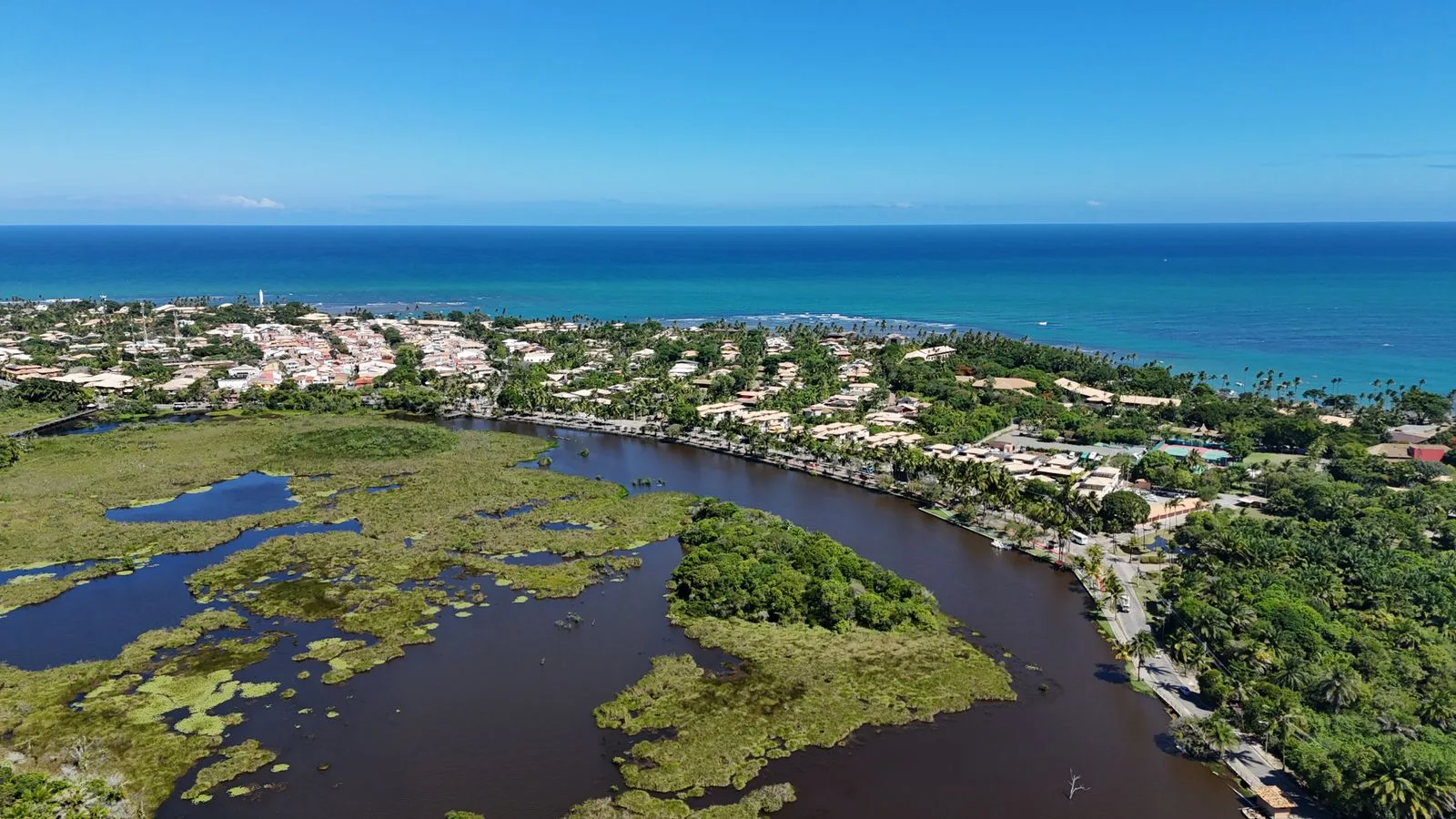
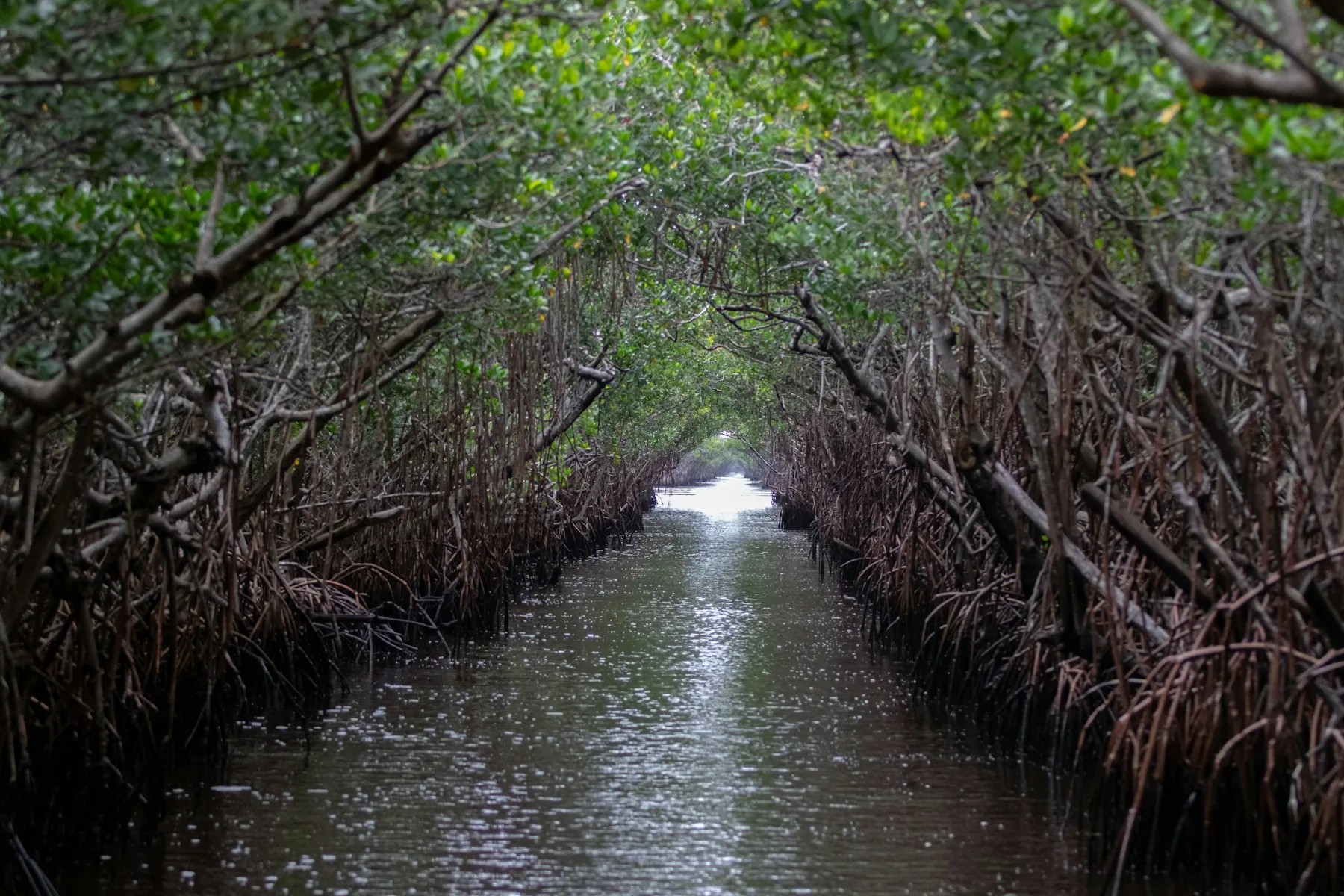
North to the Baía de Camamu, and then off the map: a fishing village you can only reach by sand track or by boat, raised on a bluff above the mangrove forest, where families live from the sea and the piaçava palm. A canoeiro takes you out into the green maze. He pulls oysters from the roots as you go, and on a small island he builds a fire and roasts them, right there, minutes old.
Back in the village square, lunch is catado de siri, picked crab that many will tell you is the best in Brazil, and they may be right. In the afternoon you roll south through the restinga scrubland until the trees open onto something absurd: a working farm sitting alone in the middle of a twenty-kilometre beach. That is where you sleep.
Overnight · A farmhouse in the middle of Pratigi beach
On the table · Fire-roasted oysters, and the best catado de siri you will ever meet
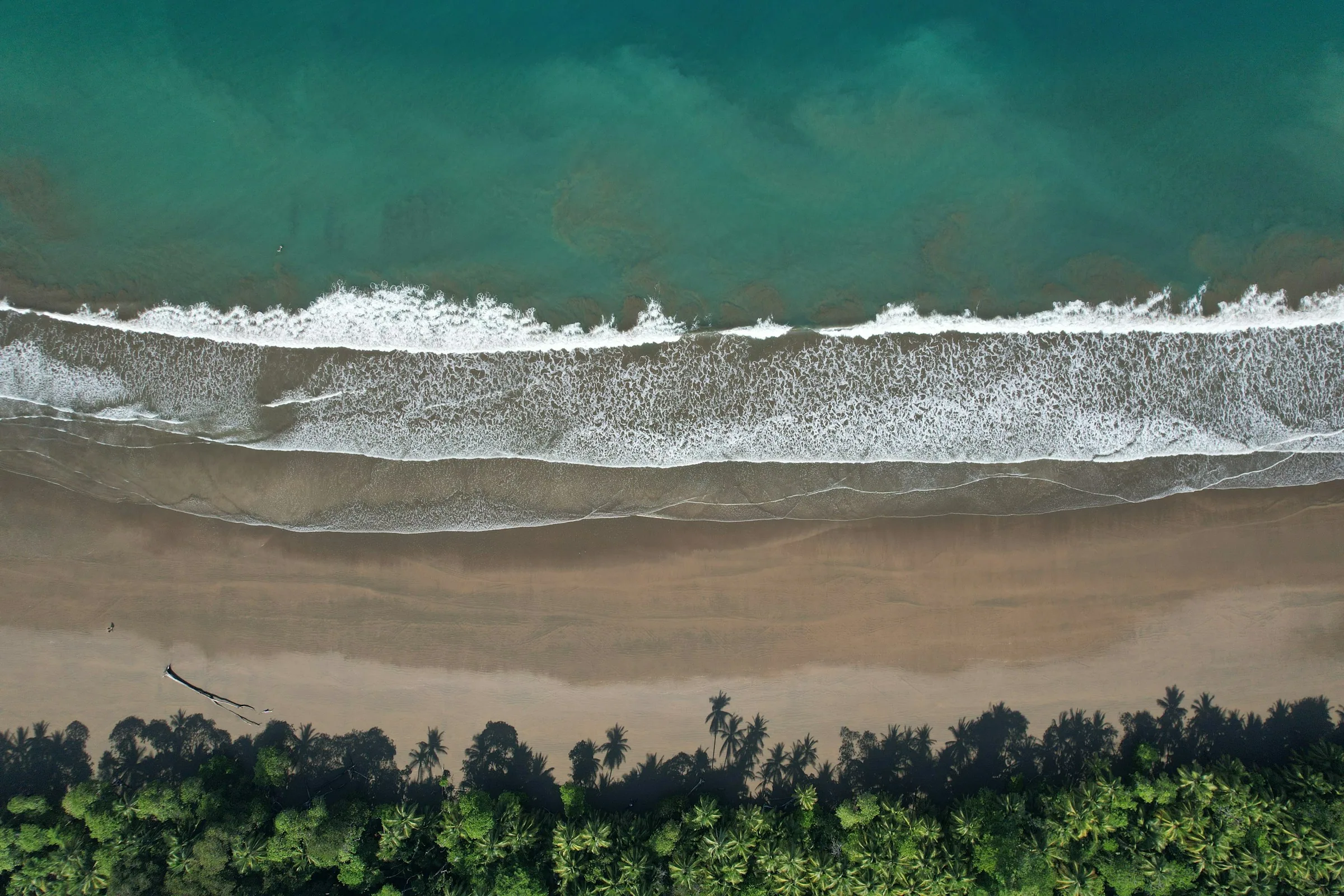
4 Dia 4 · Pratigi
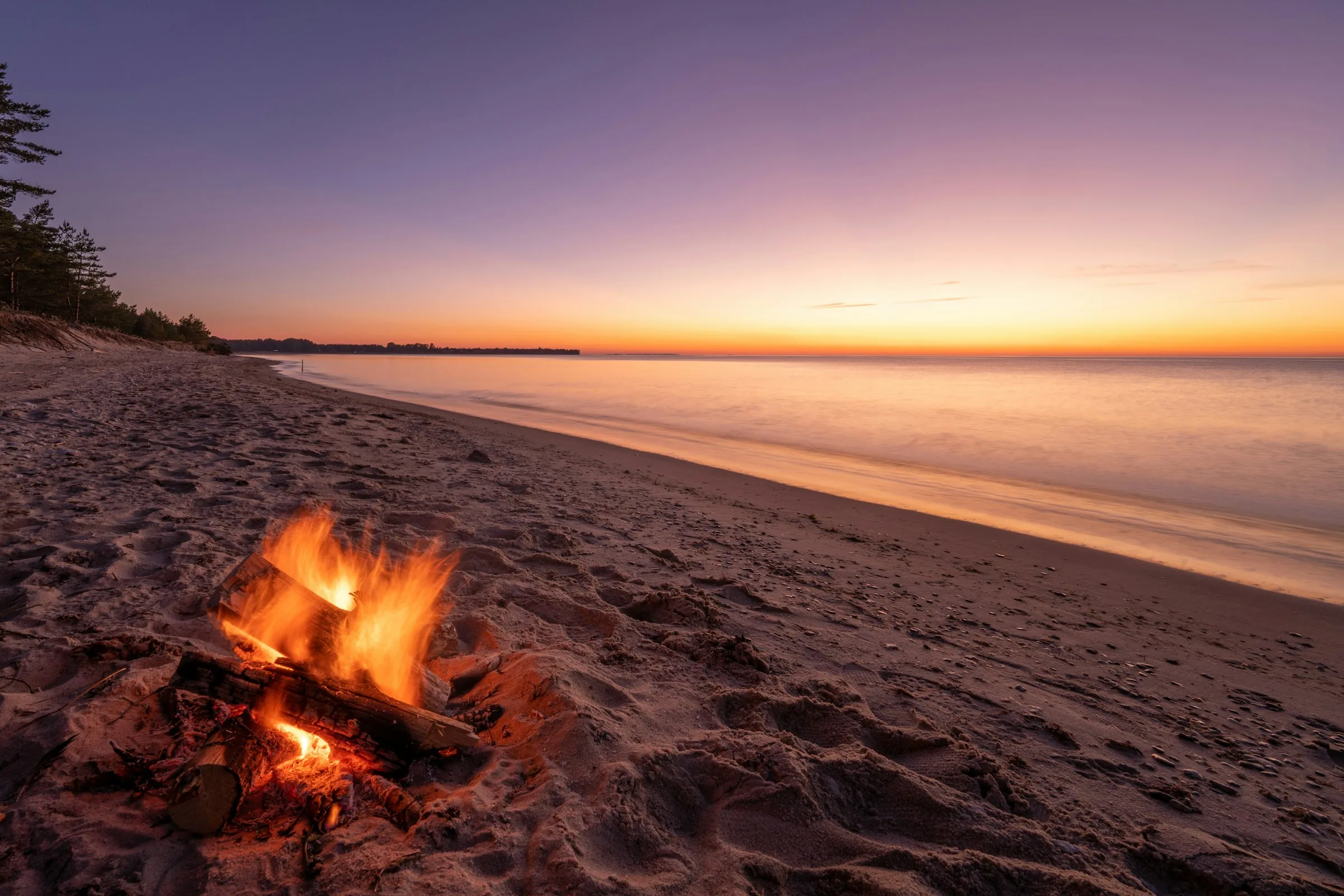
Wake up, look left, look right: beach to the horizon in both directions, backed by coconut and dendê palms, and practically nobody on it. Pratigi is what people imagine when they imagine Brazil before the crowds found it. Today it is yours.
Swim, or take an inflatable kayak into the waves and try surfing it. When the tide drops, walk the sand spit that runs far out into the sea. And when you want to move, you move the way the farm does, by 4x4 or by tractor, up the beach to the little fishing village of Barra do Serinhaém. There is no schedule today. That is the point.
Overnight · The beach farmhouse, again, because one night is not enough
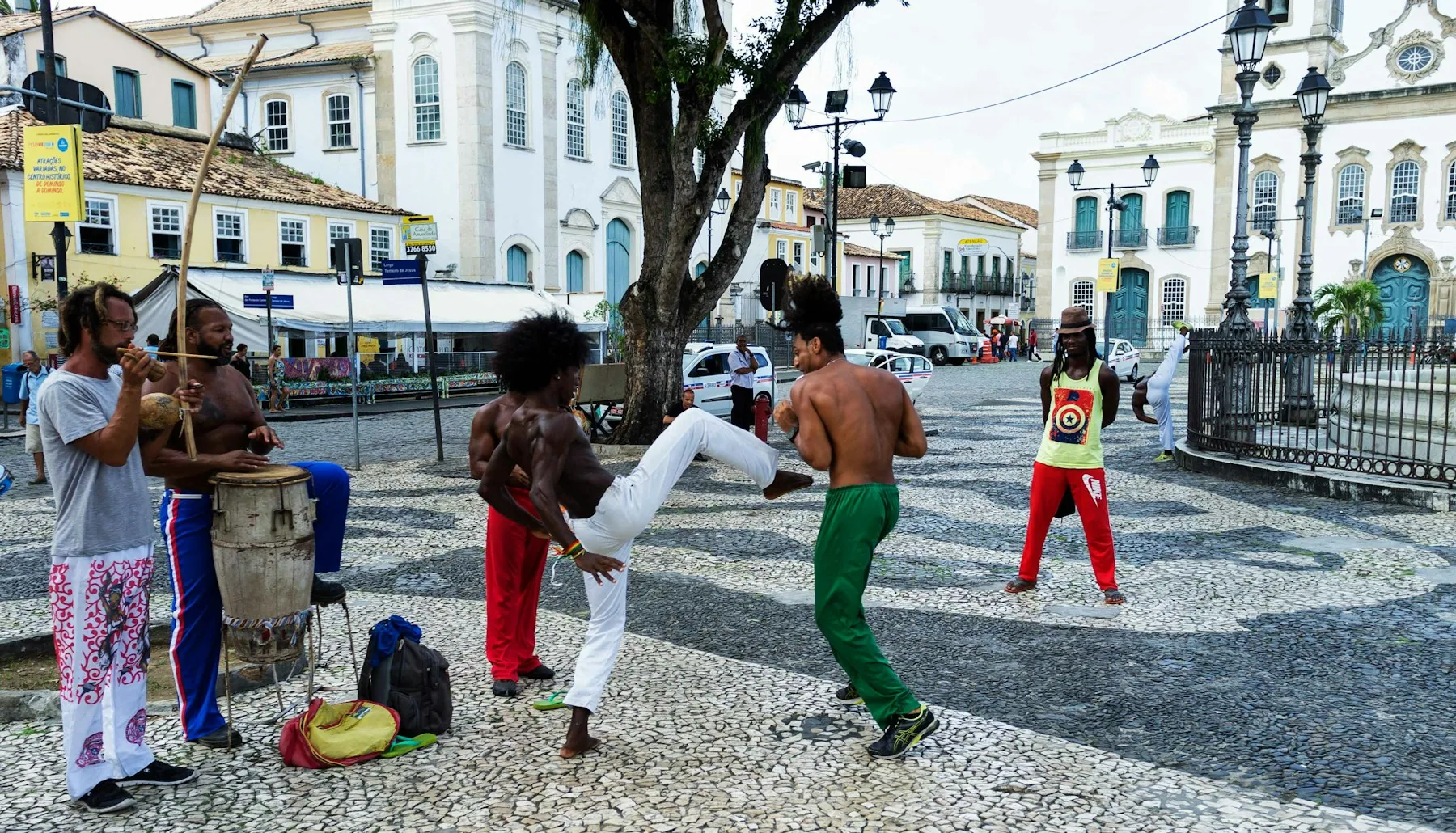
5 Dia 5 · Jatimane
One last swim, then inland to Jatimane, a quilombo, a community founded by people who freed themselves from slavery and never left. In the biojoias workshop you watch the hard nut of the piaçava palm become jewellery, and if you stay for lunch, you eat what the community cooks for itself.
In the afternoon a red-dirt road carries you to an organic farm where a handful of families live off-grid, building with earth, farming without chemicals, and keeping the old crafts alive. When night falls, the berimbau comes out. Learn to string and play it, or step into the circle and learn your first capoeira moves, by firelight, from people who grew up inside this art.
Overnight · A simple room on the eco-farm, under real darkness and loud stars
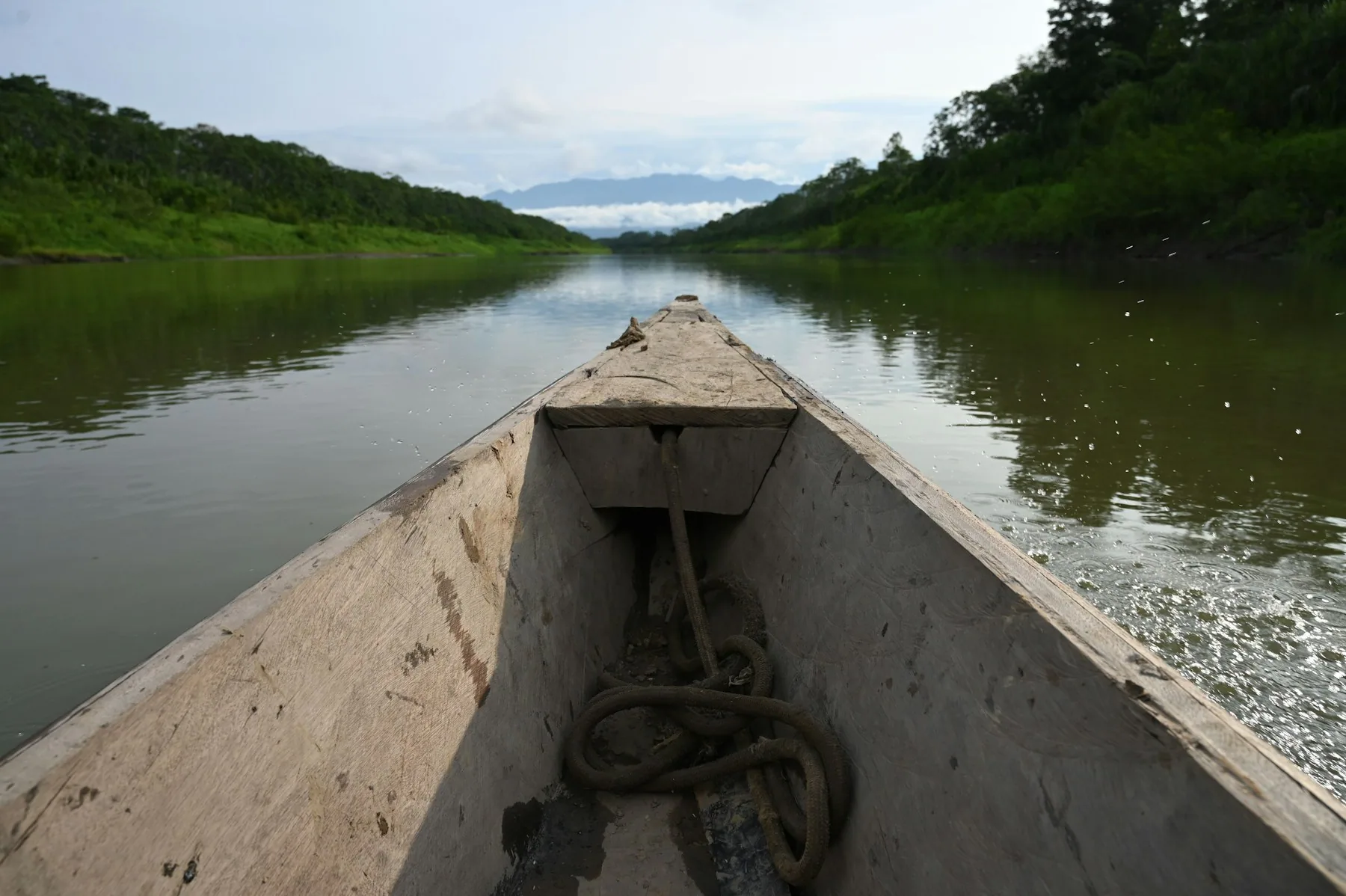
6 Dia 6 · Rio das Almas
Some farms you drive to. This one you reach by crossing the Rio das Almas in a canoe and walking up to the family’s house on the far bank. What follows is the best classroom you will ever stand in: cacao, guaraná, clove, black pepper, urucum, dendê and a small orchard of tropical fruit, tasted straight off the plants as the farmer explains what each one is for.
Beside the house stands the casa de farinha, the flour house, where manioc has been turned into farinha with the same gestures for centuries, and if the griddle is hot you will eat tapioca minutes after it was a root in the ground. A picnic of pão com mantinha, the region’s smoked pork, closes the visit. Then, if you like, drift home the lazy way: by boat down the Rio das Almas, with a run of small rapids at the end to wake everyone up.
Overnight · Back at the eco-farm for a last night
On the table · Tapioca hot off the griddle, and pão com mantinha by the flour house
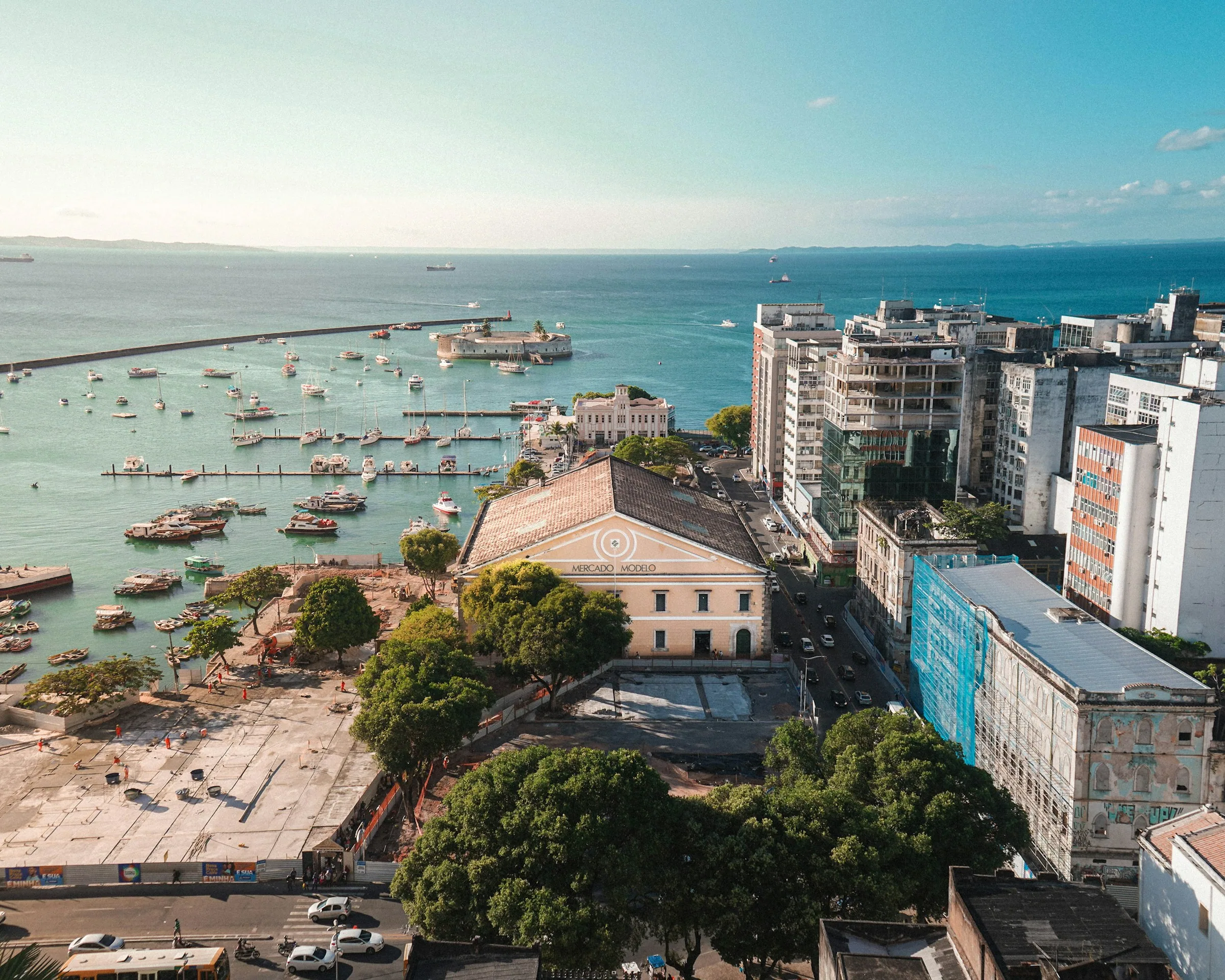
7 Dia 7 · Salvador
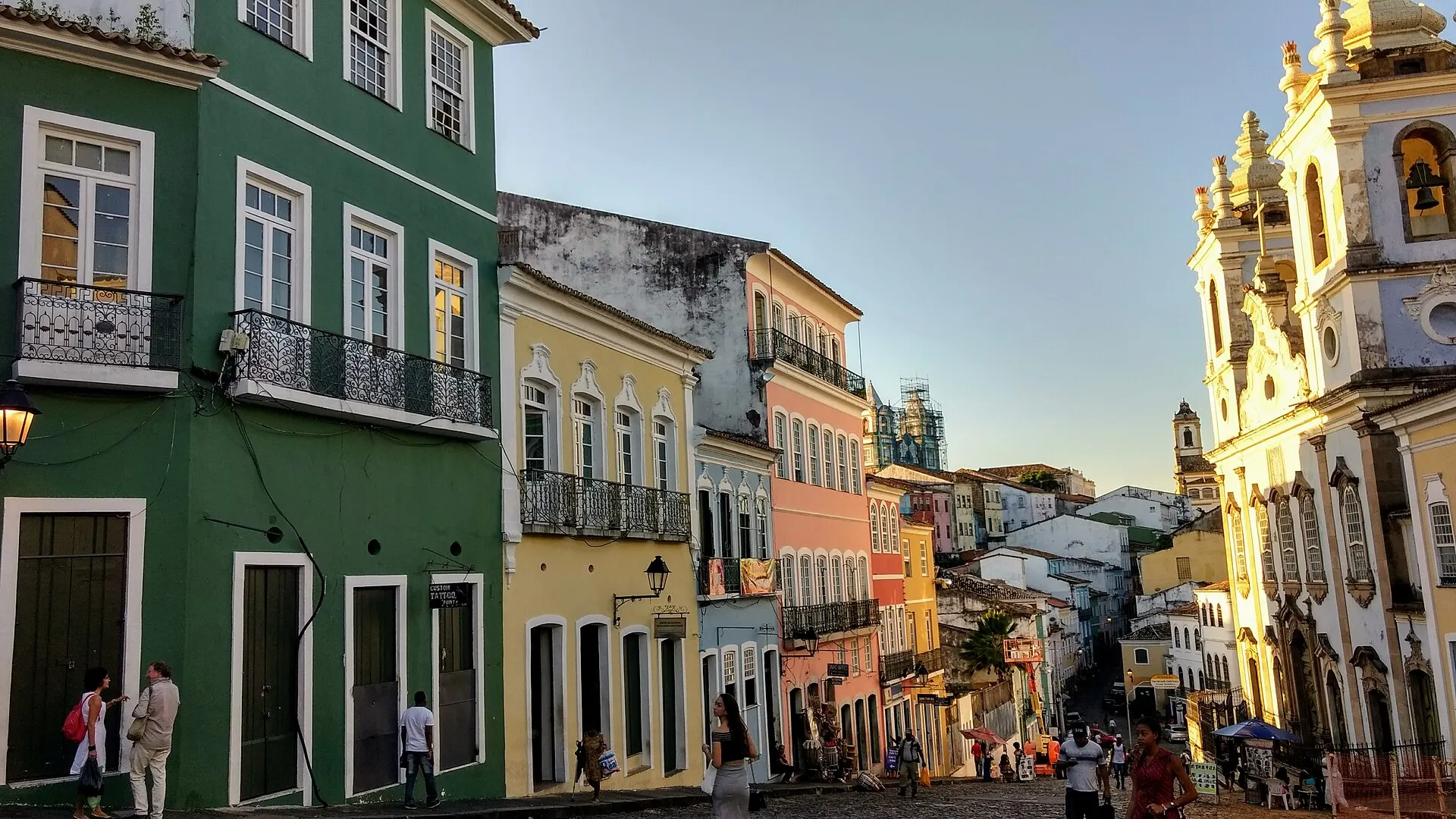
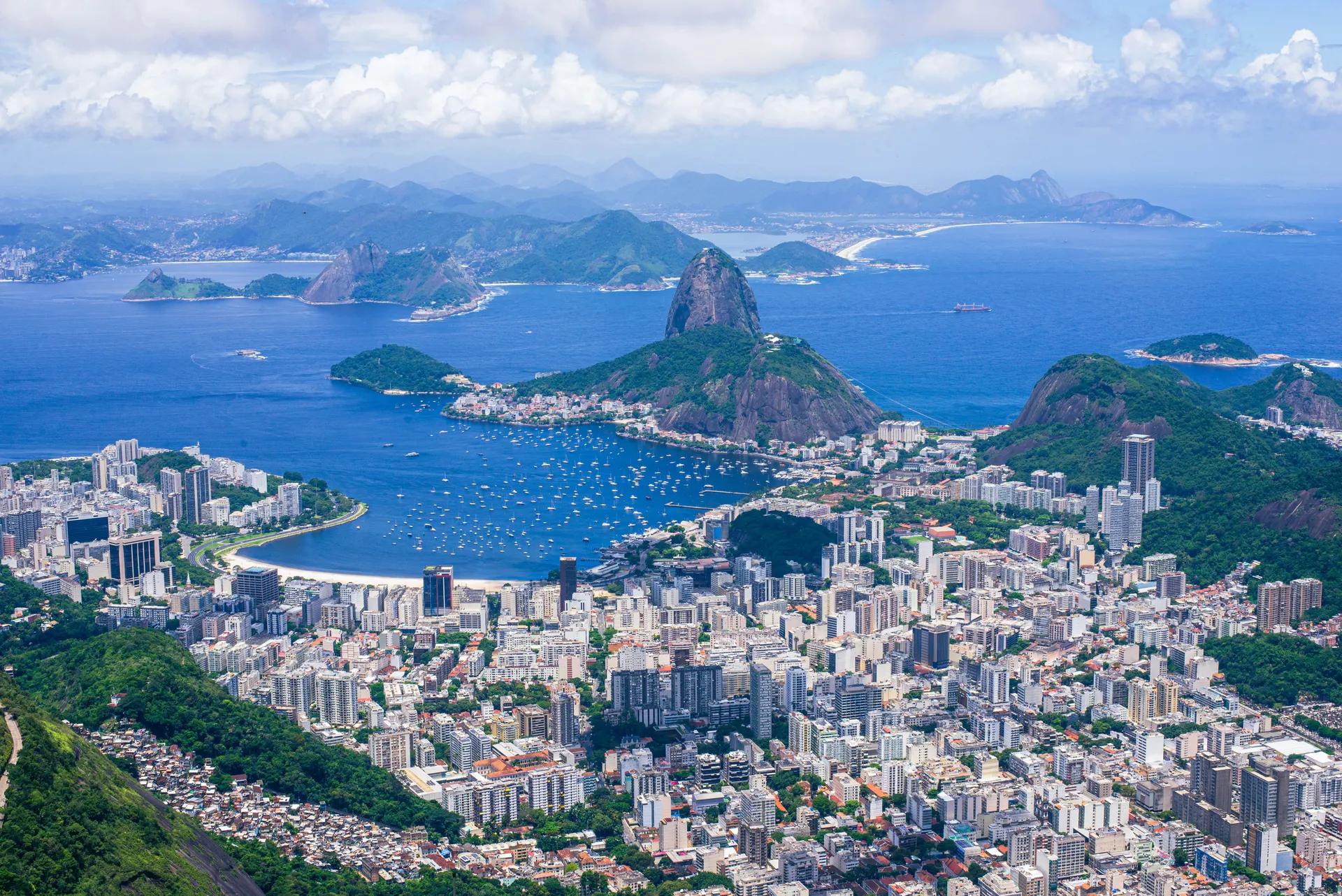
The last leg is a small adventure of its own: car to the coast, boat across the water, and car again over the island of Itaparica, until the Bay of All Saints opens up and Salvador rises on the far shore, Brazil’s first capital and the beating heart of Afro-Brazilian culture.
We drop you at your hotel or at the airport, whichever your journey needs. Our honest advice? Give Salvador two more nights. After a week among the roots of Bahia, you will want to see the city they grew into, and we will gladly plan it with you.
Você vai provar
Half this itinerary happens at the table, or around a fire, or standing in an orchard. Come hungry.
All handled
One guide, the whole way, from Ilhéus to Salvador. They know every farmer, fisherman and mestre you will meet, because these are their people.
Car, boat, canoe, 4x4 and yes, occasionally a tractor. From your arrival in Ilhéus to your drop-off in Salvador, every leg is organised and private.
A river-village pousada, a farmhouse alone on a huge beach, an off-grid organic farm. Simple, spotless, characterful places you could not book from abroad.
The ones that matter: crab in the village square, oysters on the island, picnics at the flour house. The rest of the time you choose, and we point you right.
Chocolate making, canoes and kayaks, the quilombo workshops, capoeira, museums and park entrances. If it is in the story above, it is included.
Personal travel insurance for the route, and a team that lives in Brazil and answers the phone, before, during and after.
Not included: international flights, meals not listed, and personal extras. No hidden lines, ever.
Good to know
It is the trip we would design for a first visit. You get beach, rainforest, rivers, food and living culture in one unhurried route, and you end in Salvador, one of the great cities of the Americas. Most first-timers sprint between postcards; you will come home with people’s names in your phone.
Comfortably average. The paddling is on calm water, walks are short and the pace is easygoing. The optional whitewater rafting on day two is the only genuinely sporty moment, and it is exactly that, optional. Children who can swim tend to have the time of their lives.
The coast of Bahia is warm all year. The sunniest, driest window runs roughly from September to March; April to July brings shorter showers and greener landscapes, and fewer travellers. Tell us your dates and we will be honest about what to expect.
Small, family-run and full of character rather than luxurious: a pousada above the river, a farmhouse alone on a twenty-kilometre beach, an eco-farm off the grid. Everything is clean and comfortable, and every single one is somewhere you could not find, let alone book, on your own.
Please do. Two or three nights in Salvador is the natural encore, and the islands of Boipeba and Morro de São Paulo are just off this very coast. Every departure is private and tailor-made, so we can also slow the route down or fold it into a longer journey through Brazil.
Tell us your dates and who is coming. We will shape the route around you, answer everything honestly, and introduce you to a Bahia most visitors never learn exists.
Start planningBefore or after
Part of bigger trips
This experience slots neatly into one of these multi-day private journeys.
Plan my trip
Start with a blank page, share what you have in mind and we design a private trip from scratch. Non-binding & personal, we reply within 24 hours.
Rather compose it yourself, stop by stop? Design your own journey
We'll be in touch within 24 hours to start planning. Want to talk sooner? Message us on WhatsApp.
Chat on WhatsApp