
Logan
Founder · lives in Florianópolis, Brazil
Right after "when should we come," this is the question we hear most often: "Is Brazil actually safe?" We live here year-round, so we'll give you the same honest answer we give every guest on their planning call, not a blanket yes or no, but what actually matters, and where.
Quick answer: Brazil is not more dangerous than most people imagine once you know two things: which situations to avoid, and that a private guide removes almost all of them. Millions of tourists, including solo travellers and families, visit safely every year. The real risk in Brazil, like most of the world, is concentrated in specific places and specific moments, petty theft in crowded tourist spots, certain neighbourhoods after dark, not everywhere, all the time.
Where in Brazil is safest?
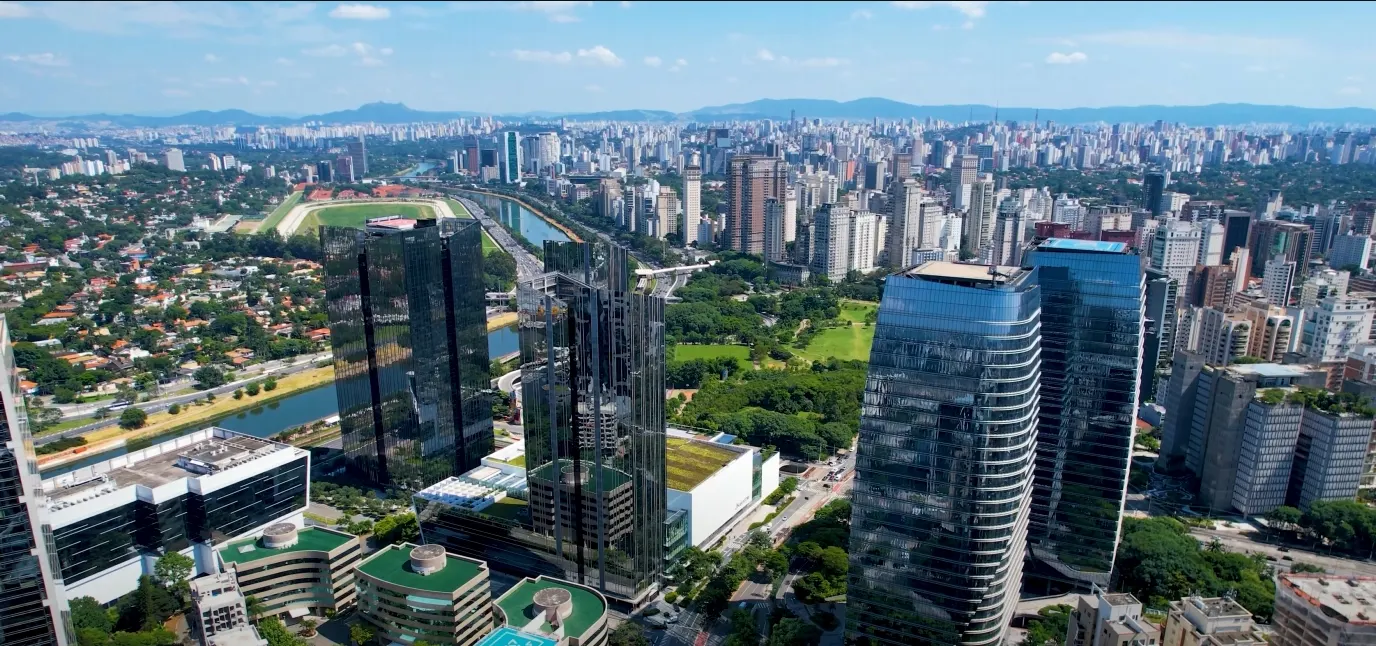
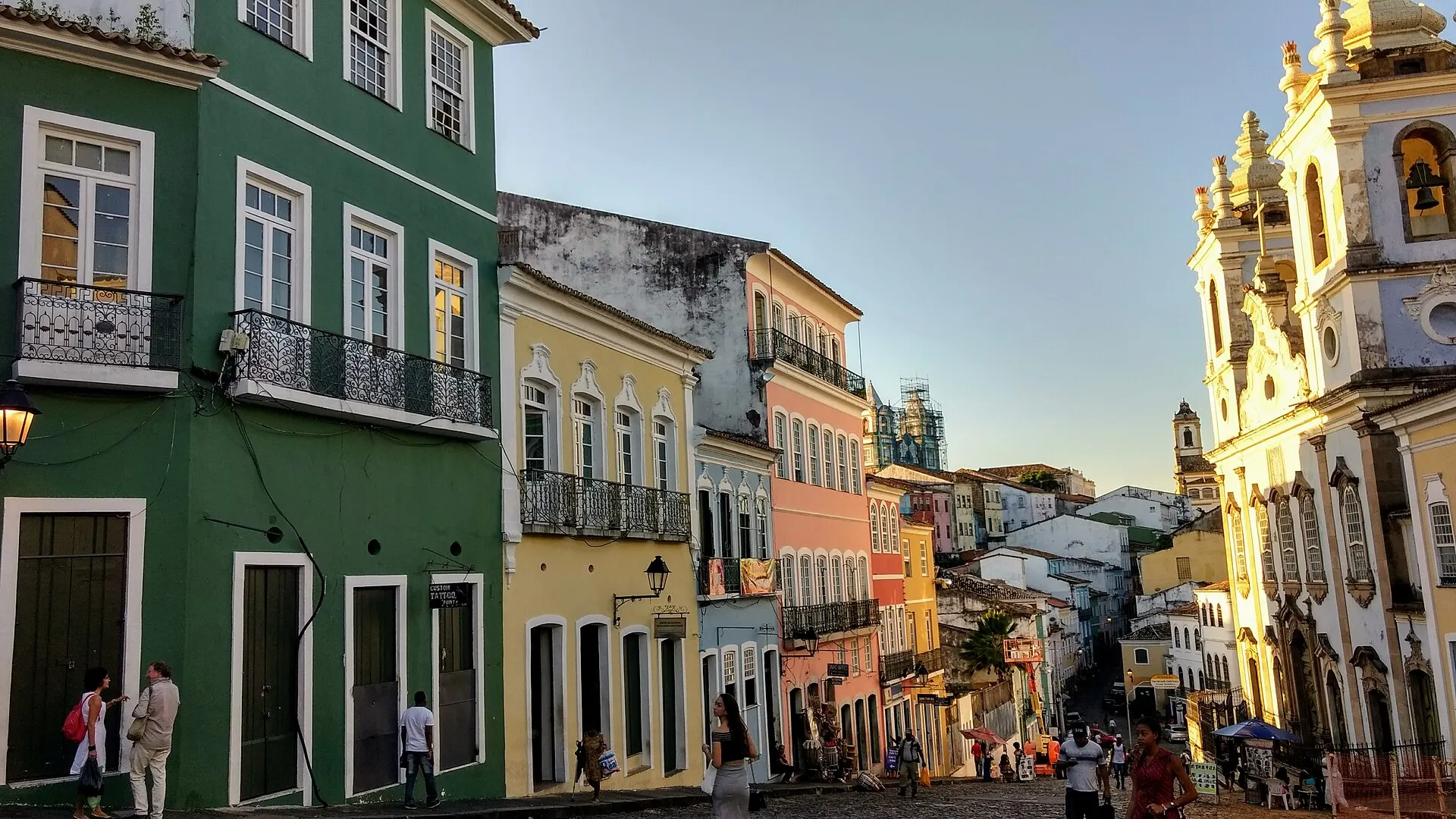
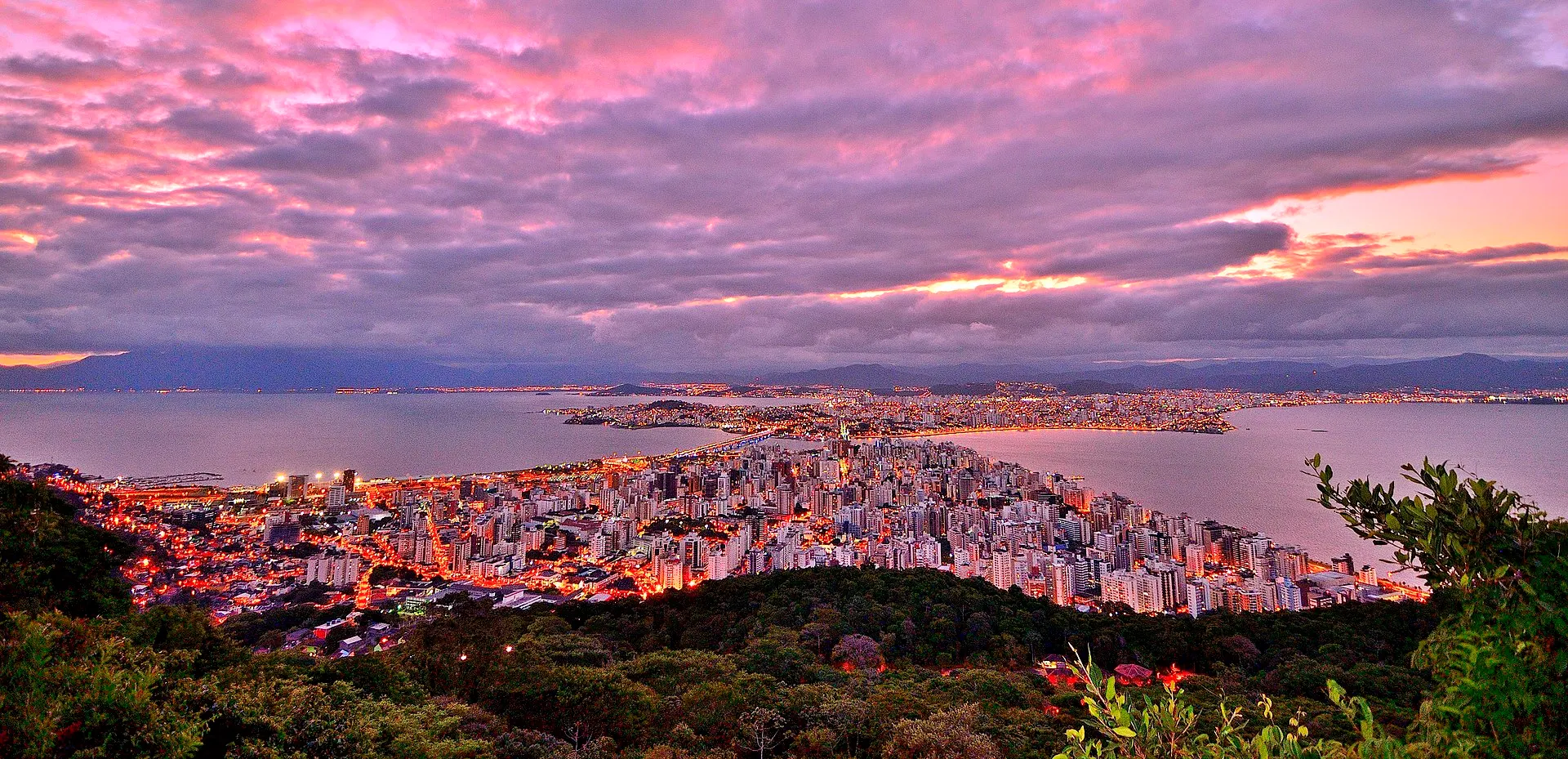
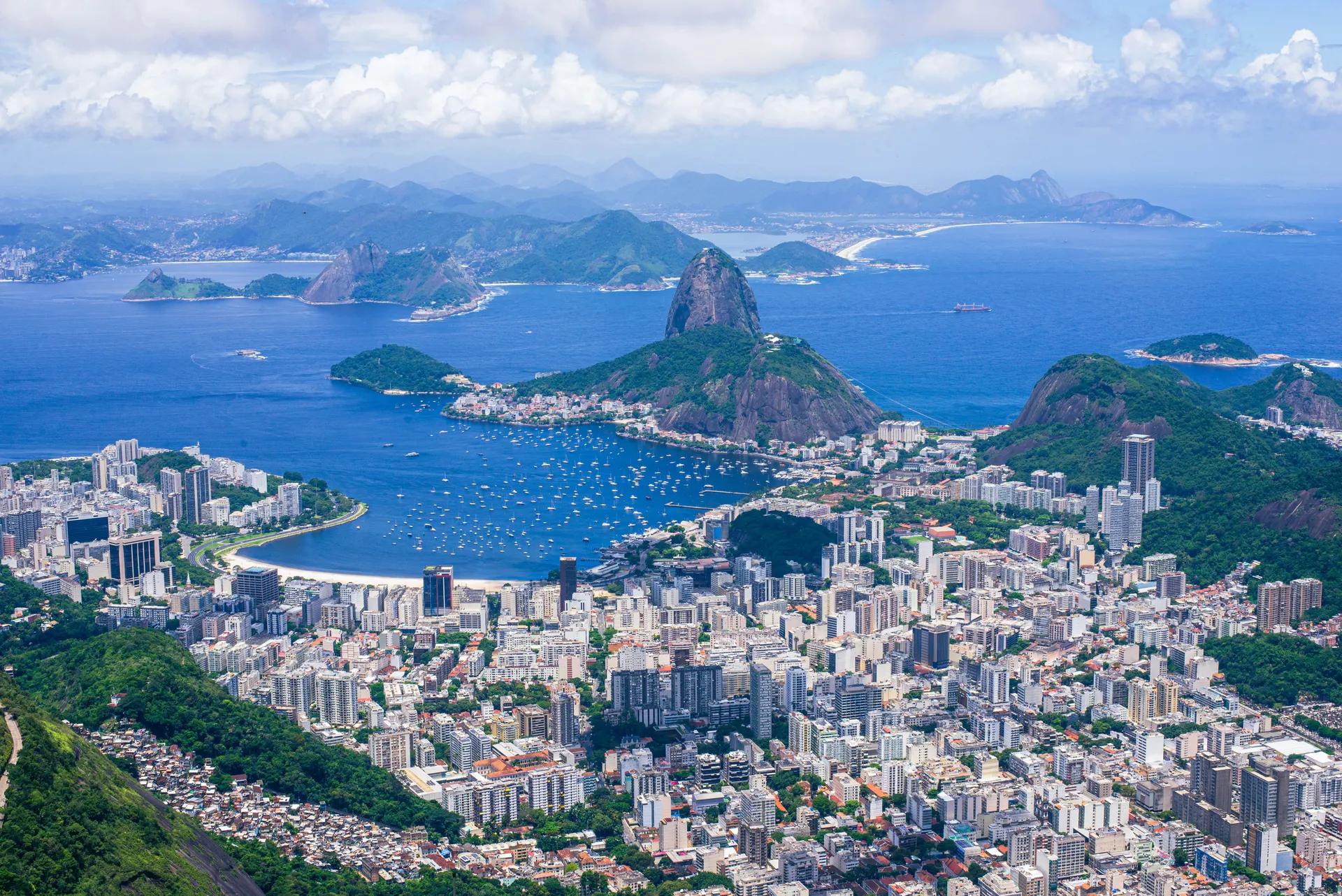
Brazil's big cities, Rio de Janeiro, São Paulo, Salvador, need the most local know-how: which neighbourhoods and hours to enjoy freely, and a good guide steers you there automatically. Away from the big cities, places like Florianópolis, Paraty and Ilha Grande are noticeably more relaxed, closer to how a small beach town anywhere feels, where the real things to respect are the sun, the sea and the trails, not the streets. The wild regions, the Amazon and the Pantanal, are safe in a different way: professional guides trained in survival and first aid manage the actual variable there, nature.
What a private guide actually changes
This is the honest core of it: almost every safety concern a solo, independent traveller has in Brazil, which taxi to trust, which street to avoid at 9pm, whether that beach vendor is legitimate, simply doesn't arise when you're with a private, English- or German-speaking guide who lives there. Your guide reads the city the way you read your own hometown. That's the entire reason we exist as a private, guided operator rather than a marketplace of city tours: it isn't a luxury layer, it's the actual safety mechanism.
Entry requirements and money myths
Two questions come up so often they deserve a direct answer here. No, you don't need to show $2,000 or any specific sum to enter Brazil as a tourist, that isn't a real requirement. What you do need depends on your passport: US citizens have needed an e-Visa since April 10, 2025 (apply online, about $80.90, valid 10 years); German, Austrian and Swiss citizens still enter visa-free for stays of up to 90 days. On cost: Brazil isn't a cheap-and-cheerful backpacker country the way $100 stretches in parts of Southeast Asia, but it's meaningfully cheaper than Western Europe or the US for food, transport and guided days. We'll cover real trip budgets properly in a separate article.
City by city, briefly
- Rio de Janeiro: Wonderful and completely manageable with a guide who knows which neighbourhoods to enjoy and when. Avoid wandering favelas or empty beaches after dark without one.
- São Paulo: Huge, but as a business and gateway city it's straightforward with basic city sense, stick to well-populated areas at night, as anywhere this size.
- Salvador: Historic and beautiful, and, like Rio, rewards knowing the right neighbourhoods and hours, which is exactly where a guide earns their keep.
- Florianópolis: One of the most relaxed stops on the whole trip, an island of beaches and small towns, not a big-city risk profile at all.
A few concrete habits, wherever you go
your private guide for each destination will pick you up at the airport and will give you more insights on this matter for the respective destination but usually uber or hotel arranged transports are very reliable and safe rather than hailing cabs on the street. Leave the passport in the hotel safe and carry a photo of it plus a copy. Keep phones and cameras low-key in busy squares and on beaches (a beach bag, not a flashy strap, holds up fine). Swim only where locals are swimming. None of this is Brazil-specific caution, it's the same common sense as any major city or beach destination, just worth saying out loud once.
So, should you come?
Yes. We've lived here for years, raised this question with hundreds of guests, and watched nearly all of them leave saying the place felt far friendlier and safer than they expected. Tell us your dates and where you'd like to go, and we'll build the trip, and the honest safety briefing that comes with it, around exactly that.
- Travel planning
- Safety
- Practical tips
Enjoyed this?
Turn it into your own Brazil trip
Pick the destinations and experiences you love, and send us your own route to plan.
Design my journey